
Neuroplasticity After Stroke and Brain Injury: Why Early Rehabilitation Matters
When someone experiences a neurological injury such as a stroke or traumatic brain injury (TBI), the effects can be life-changing. Difficulties with walking, balance, strength, coordination, speech, and daily activities are common challenges during recovery.
However, one of the most remarkable aspects of the human brain is its ability to adapt and reorganise itself through a process known as neuroplasticity.
Research shows that early rehabilitation and targeted exercise can play a critical role in promoting neuroplasticity and improving recovery outcomes after neurological injury.
At My Allied Care, our physiotherapists support individuals recovering from stroke, traumatic brain injury, and other neurological conditions through personalised rehabilitation programs designed to maximise recovery, independence, and quality of life.
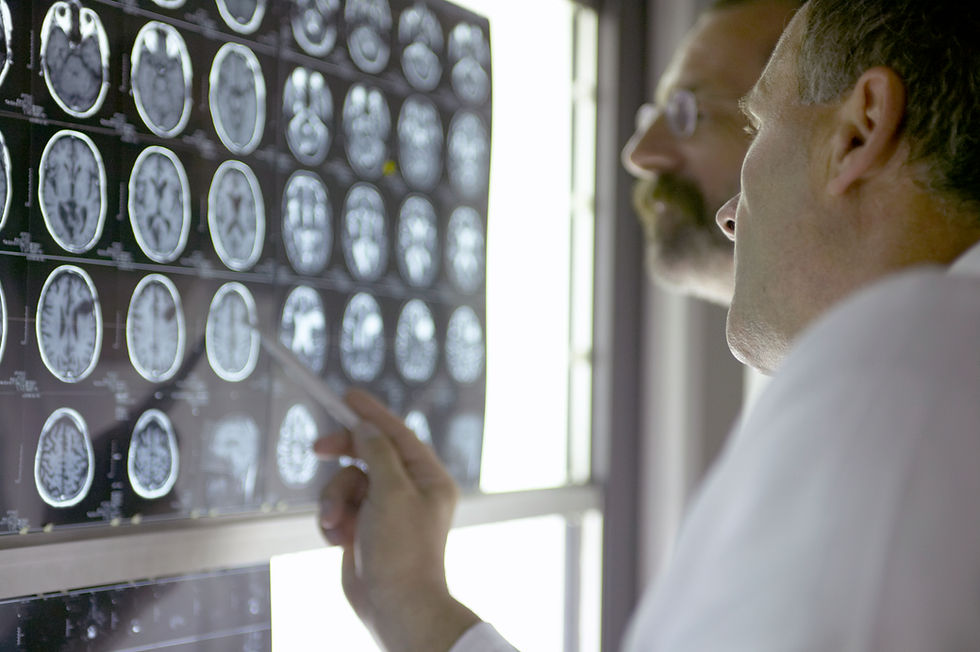
What is Neuroplasticity?
Neuroplasticity refers to the brain’s ability to form new neural connections and reorganise pathways following injury or damage.
After a neurological injury, certain parts of the brain may no longer function as they previously did. Neuroplasticity allows the brain to:
Relearn movements and skills
Develop alternative pathways
Improve coordination and function
Adapt to physical changes
This means that recovery is possible, even after significant neurological injury.
The brain responds to repeated practice, movement, and rehabilitation by strengthening neural pathways involved in functional tasks.
Common Neurological Injuries
Neurological rehabilitation is commonly required following:
Stroke
Traumatic brain injury (TBI)
Brain surgery
Spinal cord injury
Neurological illnesses affecting movement and mobility
Symptoms may include:
Weakness or paralysis
Reduced balance
Difficulty walking
Coordination problems
Muscle stiffness or spasticity
Fatigue
Reduced independence with daily activities
Each person’s recovery journey is unique, which is why individualised rehabilitation is essential.
Why Early Rehabilitation is So Important
Research strongly supports the importance of early rehabilitation following neurological injury.
Evidence suggests that the brain is particularly responsive to rehabilitation in the early stages after injury, often referred to as a “window of enhanced neuroplasticity.”
Early physiotherapy and rehabilitation can help:
Improve mobility and physical function
Reduce complications from immobility
Improve strength and endurance
Promote neural recovery
Reduce long-term disability
Improve independence with daily activities
Clinical guidelines for stroke rehabilitation consistently recommend early, intensive, task-specific rehabilitation where medically appropriate.
What Does the Evidence Say?
Studies have shown that repetitive, goal-directed exercise and rehabilitation can significantly improve outcomes after stroke and brain injury.
Research supports:
Task-specific training for improving functional movement
Repetitive practice to reinforce neural pathways
Strength and balance training to improve mobility
Aerobic exercise to support brain health and recovery
Early mobilisation where appropriate
Evidence also shows that ongoing rehabilitation beyond the acute hospital phase remains important, as neuroplastic changes can continue for months and even years after injury.
Consistent therapy and exercise are key factors in long-term recovery.
How Physiotherapy Supports Neuroplasticity
Physiotherapists play a vital role in neurological rehabilitation by helping individuals safely retrain movement and improve physical function.
Treatment is highly individualised and may include:
Walking and Mobility Training
Physiotherapy can help improve:
Walking pattern
Balance
Transfers
Endurance
Community mobility
Strength and Functional Training
Exercises are designed to improve:
Muscle strength
Coordination
Postural control
Functional independence
Balance and Falls Prevention
Neurological injuries often increase falls risk. Physiotherapy can improve stability and confidence with movement.
Task-Specific Rehabilitation
Repeated practice of meaningful tasks helps stimulate neuroplasticity and improve everyday function.
Examples may include:
Sit-to-stand practice
Stair climbing
Reaching tasks
Walking practice
Bed mobility training
Exercise and Cardiovascular Fitness
Emerging evidence highlights the importance of aerobic exercise in supporting:
Brain recovery
Cardiovascular health
Energy levels
Neuroplasticity
Recovery Takes Time - But Improvement is Possible
Recovery after stroke or brain injury can be physically and emotionally challenging. Progress may occur gradually, and every small improvement matters.
Importantly, recovery does not stop after discharge from hospital. Many individuals continue to make meaningful gains through ongoing rehabilitation and exercise programs.
Consistency, repetition, and guided therapy are critical components of neurological recovery.
How My Allied Care Can Help
At My Allied Care, our physiotherapists are experienced in neurological rehabilitation and work closely with individuals recovering from:
Stroke
Traumatic brain injury
Neurological conditions affecting mobility and function
We provide personalised rehabilitation programs tailored to each client’s goals, abilities, and stage of recovery.
Our focus is on helping clients:
Improve mobility and strength
Increase independence
Reduce falls risk
Build confidence
Maximise long-term recovery and quality of life
Book a Neurological Physiotherapy Assessment Today
If you or a loved one are recovering from stroke, traumatic brain injury, or another neurological condition, early rehabilitation and ongoing exercise can make a significant difference.
📞 Contact My Allied Care today to book a neurological physiotherapy assessment and learn how rehabilitation can support recovery, independence, and long-term wellbeing.


Comments